
Vulnerable Post Incoming…
Today Laurie and I met with our counselor, who has been lovingly supporting us for the past two years through so much. He pointed out some very valuable things about us that completely changed my perspective. I went into that meeting beating myself up, feeling down on myself, as if I was a worthless throwaway. I felt like someone who had failed too many times, someone who was too bruised and too broken to still be effective. But God used that time to remind me of something I had forgotten: that even when we are limping, even when we are weary, He is still using our lives to touch others in ways we often cannot see.
There’s something that has been weighing heavily on my heart for a while now, and I want to do my best to share it with honesty and humility. This is not a post meant to make anyone feel guilty or condemned. It is not a complaint. It is the story of how God met me in the darkest places and how that story has shaped the way I view ministry, the church, and what it truly means to be a shepherd.
When I was a child, I went through abuse that no child should ever experience. I will not go into the details, because those details are not the point of this post. What matters is that even in that dark and painful season, God never stopped reaching for me. There were moments when I felt completely unseen and unheard, yet in the middle of all that pain, I would have these undeniable encounters with the presence of God at the altar. I remember being at kids camp, kneeling at the front of a chapel, feeling the presence of God wrap around me like a blanket when everything else in my life felt cold and broken.
I want to say this clearly. The things that happened to me were not my parents’ fault. They did not know what had happened until many years later when I was already an adult. I love my parents deeply. But for years, I carried those scars silently. I carried them into adolescence and into adulthood. By the time I was nine years old, I was already wrestling with things I could not put words to. I struggled with symptoms that were later identified as depression, anxiety, and post-traumatic stress disorder. I did not know how to explain the storm that was happening inside of me. All I knew was that I kept going back to those altar moments because somehow that was where I felt closest to peace.
Then, when I was fifteen years old, I had another one of those powerful altar moments at youth camp. That night, as I stood with tears running down my face, I heard the voice of God speak to my heart. I felt Him call me into ministry, specifically youth ministry. The message that night felt like it was directed straight at me. The speaker talked about how God can use the broken, the hurting, and the forgotten to bring healing to others. Something inside me broke and healed all at once. I knew at that altar that my life was not my own. I knew I was called to speak life into students who were walking through the same kinds of pain I had walked through when I was young.
But the road from that altar to where I am today has not been easy. I always thought that once I entered ministry, the hard part would be over. I thought that once I became a pastor, people would finally love me the way I had longed to be loved by the church when I was younger. Looking back, I realize that was a very naive thought, but it came from a genuine place. I wanted to belong. I wanted to help others belong. What I did not expect was that some of the deepest wounds of my life would come at the hands of church people.
Over the years, I have experienced rejection, gossip, betrayal, and slander. I have had the worst lies spread about me behind closed doors… lies told when I wasn’t there to speak the truth. I have felt heartbreak inside the very walls of the church. I’ve seen how quickly people can turn on each other, sometimes even in the name of righteousness. There have been seasons when I poured my heart into people, only to be met with silence or misunderstanding. There were moments I questioned my calling altogether because of the pain that came with it. And it wasn’t just me who carried that pain. When my wife was suffering from postpartum depression, instead of love, she was met with rejection and betrayal from some of the very people who should have surrounded her with compassion. That season broke something in both of us, but it also revealed what genuine ministry should look like… not performance, but selfless, sacrificial love.
I have even had ministry leaders try to use my diagnosis of PTSD against me, as if being wounded disqualified me from ministering effectively. What they did not understand is that my scars are not a sign of weakness but of survival and redemption. My limp is not proof that I am broken beyond repair. It is proof that God has healed what should have destroyed me. Yet every time I reached the point of wanting to give up, God would remind me of that altar moment at fifteen years old. God speaks firmly to my heart, “I called you to love them anyway.”
And here is the truth I want to make sure is clear. Despite the pain I have experienced and the wounds I have carried, I hold no hatred or bitterness toward those who have hurt me. If any of those same people were to walk through my doors today, I would receive them with open arms. I would welcome them as brothers and sisters because the love that God has placed in my heart for them is deeper than the pain that was caused. The love of Christ in me outweighs the hurt that others have done to me. I choose grace because grace is what God chose for me.
Laurie and I have made it a core value of our ministry to love people deeply, even when it costs us something. We have opened our home to people who were hurting. We have stayed up late at night praying with students, feeding families who did not know how they were going to make it, and walking with people through dark and messy seasons. We have given what little we had, not because we were trying to impress anyone, but because we remember what it was like to feel unseen. We made it our mission to make people feel like family.
I have come to understand that this is what real shepherding looks like. Real pastoral leadership is not about titles or stages. It is about towels and tears. It is about walking with people when they are at their lowest. It is about staying when everyone else leaves. It is about leaving the ninety-nine to go after the one who is wandering, confused, or broken. Jesus never built a ministry around comfort. He built it around compassion.
The church was never meant to be a stage for performance but a place where love is genuine and lives are shared. Romans 12:9–10 tells us to “let love be genuine” and to “outdo one another in showing honor.” Jesus said the world would know we are His disciples by our love, not by our polish or perfection. True ministry is not about impressing people; it is about serving them. Philippians 2 reminds us to look not only to our own interests but also to the interests of others, walking in the humility of Christ. Real pastoral leadership means laying down our pride to lift others up, walking beside the hurting, and showing the kind of selfless, sacrificial love that reveals the heart of Jesus.
If I am being completely honest, ministry has been both the greatest joy and the deepest pain of my life. It has stretched me beyond what I thought I could bear. But it has also shown me the heart of God in ways that nothing else ever could. Because every time I have been hurt, every time I have been misunderstood, every time I have been tempted to close my heart, the Lord has met me again at the altar and reminded me that He was wounded by the very people He came to save. That realization changes everything. It changes the way I see those who hurt me. It changes the way I lead. It changes the way I love. Jesus never gave up on the church, even when the church was unfaithful to Him, and I refuse to give up on it either.
I also know that I haven’t done everything perfectly. In fact, I have failed often. But even in my failures, I have learned to fail forward. Proverbs 24:16 says that though a righteous man falls seven times, he rises again. That verse reminds me that grace is not just for the moments when I am strong, but for the moments when I stumble. I want to live my life humbly before the Lord… quick to repent, quick to forgive, and quick to get back up again, no matter what I experience.
At one point, I heard someone say, “I don’t trust a pastor who doesn’t walk with a limp.” That line has stayed with me ever since. It speaks to something sacred. The limp represents the encounter that leaves you forever changed, like Jacob wrestling with God. It represents the scars that remind you of where you have been and the grace that keeps you moving forward. I resonate with that deeply, because every pastor who has been through pain and still chooses love walks with a holy limp. Those who have been wounded but still show up, who have every reason to close their hearts but still open them, are the ones who reflect Jesus the most.
So to every pastor, every leader, and every believer who feels weary, please remember why you started. Remember that God called you not because you were strong, but because you were willing. You may be limping, but your limp tells a story. It tells the world that grace is real, that healing is possible, and that God is faithful even in the struggle. Do not let bitterness steal your compassion. The world does not need more guarded leaders. It needs shepherds who have wrestled with God and walked away changed. It needs pastors who walk with a limp and still keep walking.
I have seen over a hundred young people give their lives to Jesus through the ministries Laurie and I have been blessed to lead over the past 6 years. Every single one of those moments reminds me why we keep going. Every testimony, every tear, every student who finds hope again makes every wound worth it. So I will keep loving. I will keep serving. I will keep opening my life to people even when it hurts. Because I know what it is like to be the one. And I know what it is like to be found.
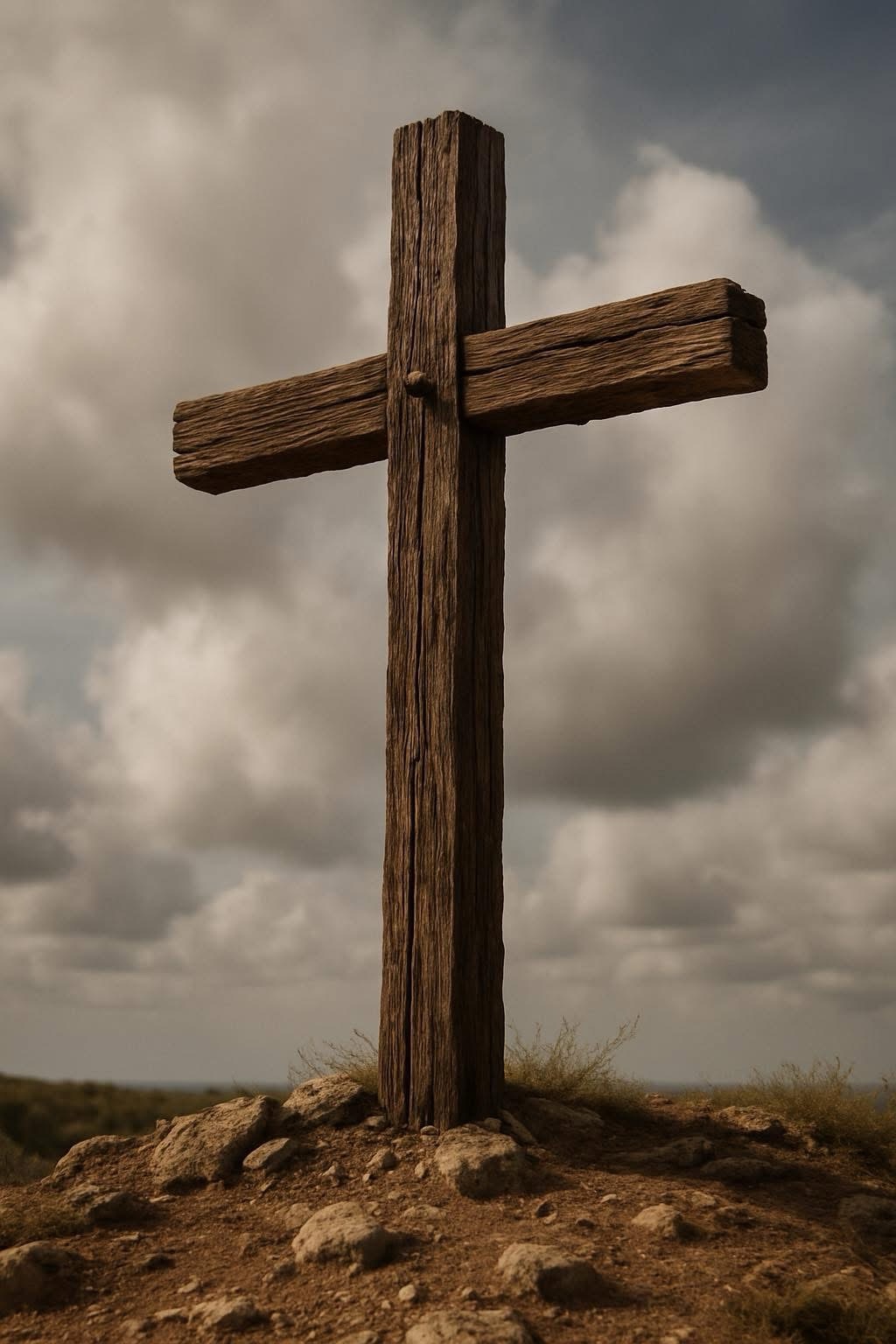
That is what real church should look like. That is what real pastoral leadership should look like. Not perfect, not polished, but present. A family that loves deeply, forgives freely, walks with a limp, and always points back to the altar where it all began. Where we remember how we got here. At the base of the old rugged cross. Where we may have thought we were saying yes to Jesus, but it was really Him saying yes to us. As the hymn says… “So I’ll cling to the old rugged, its shame and reproach gladly bear…” This is the life I have been called to live, and I will live this life until the day Jesus calls me home.
 bold-apologia